

Everyone can draw
Putting my hand to paper.

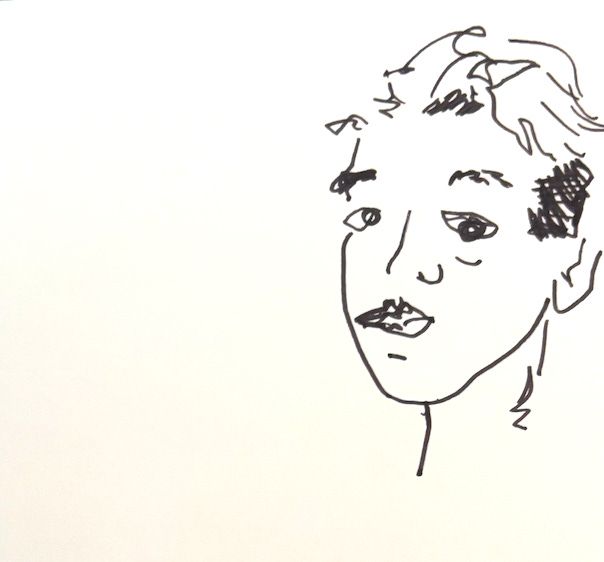
This past weekend, I was walking with my best friend Chelsea Bieker through a leafy Portland neighborhood on a rare day of winter sun. As we went, I complained about how hard it is for me to write prose, and also poetry as I’ve found out, with simple pen and paper. I long to take only a notebook somewhere, sit down and be able to work on my novel. But I’m stuck to the keyboard and screen. It seems that over the last decade and a half of typing on Microsoft word I’ve burned a deep neural pathway between the clacking of keys and my thinking, line-laying mind. I dislike that I’m bound to the computer for writing and feel zapped by the glare of the screen and its proximity to the entire internet. Maybe I’m romanticizing the notebook (I’m known to romanticize), but I wish I could fill a stack of legal pads or moleskins with my Lamy fountain pen and step back to take in the effort, maybe snap a photograph and say, draft done. Don’t get me wrong, I have piles upon piles of used notebooks, because I’m an avid journaler and record keeper of my days, but to put down “creative work” and to build my books or continue a prose project this way alludes me.
One of my favorite writers, Lynda Barry, talks often about the importance of using our hand to create. Because, as she says, something special happens when you “think with your hand.” If you’re interested at all in the connection between handwriting and creativity, you should check out her books Making Comics, Syllabus, or What It Is. I adore this trio. And in part, these books are what have inspired me to take playing, doodling, sketching more seriously.

If writing books longhand is out of reach for me right now, drawing might be the way forward, a way to reacquaint my hand with paper through creative acts. Drawing was something I left behind in my youth. But it’s tugged at me. And I have to admit, re-learning to draw serves another purpose, too, because I imagine it will directly impact my writing. It will sharpen the way I see the world and thus the way I can describe the world. I want to get better at seeing and looking and observing. I know that when you draw something you must look very deeply and you have to pay attention in a way that I’m not accustomed to doing.
Maybe some of you can relate to this, I’ve sensed a collective exhaustion, but I’ve felt too online lately, screen-up and screened-out, and I’m wanting to get more tactile and hands on. (The irony that I’m trying to be less online by engaging with a new digital platform doesn’t escape me). But I’ll be using this Substack to try to have deeper interactions online and to share stuff I’m making. I’ll embrace being not good, being in process, being a beginner.
Before I show you the sketches I made today, I want to share a few drawings from other writers who also took to observing their world. I enjoy them very much.
Here is Patricia Highsmith drawing herself and cats.
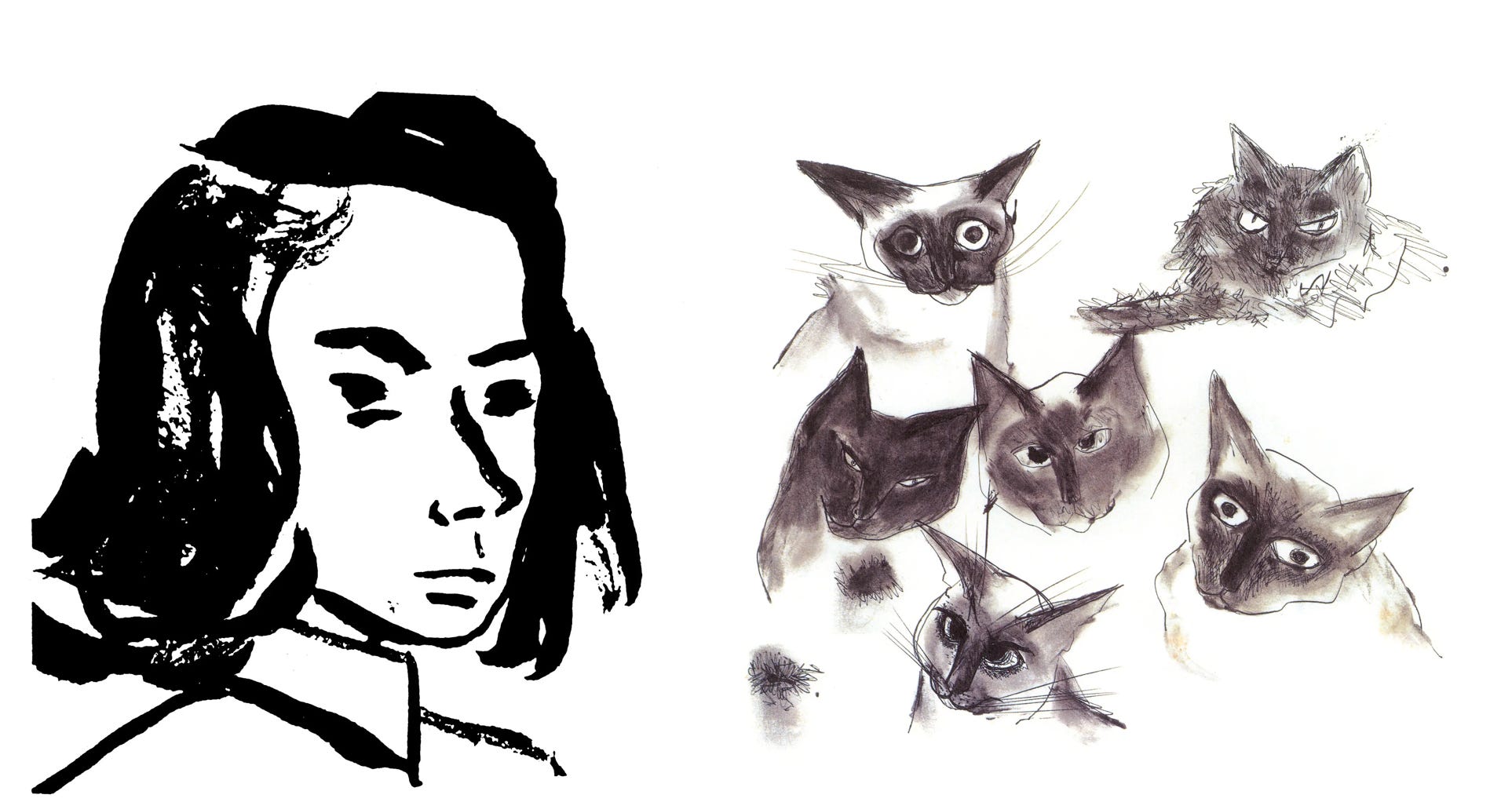
Here is more Highsmith, drawing her lover Allela Cornell in what looks like a very queer scene and like something that could be lifted from my own living room.
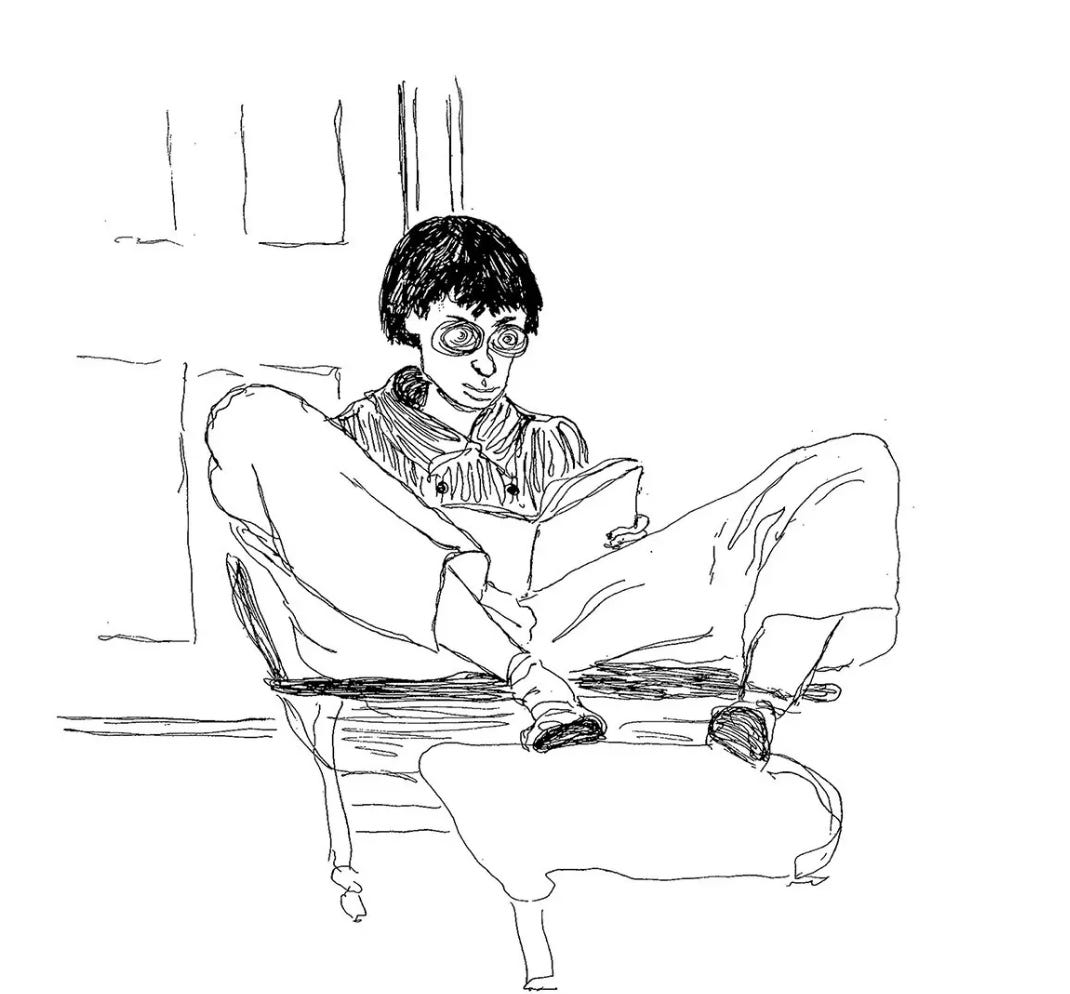
And here is Flannery O’Connor, who I didn’t know was into cartooning.
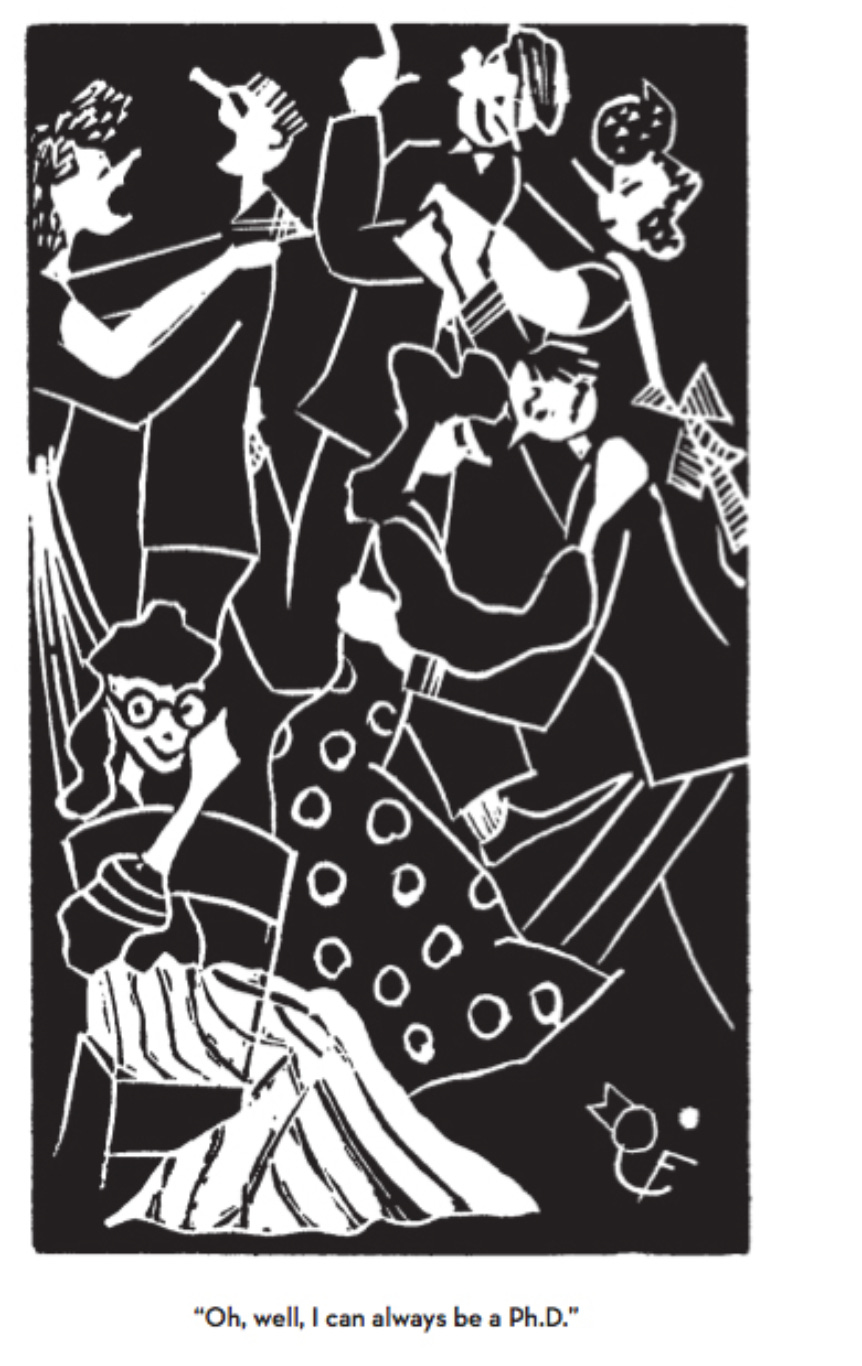
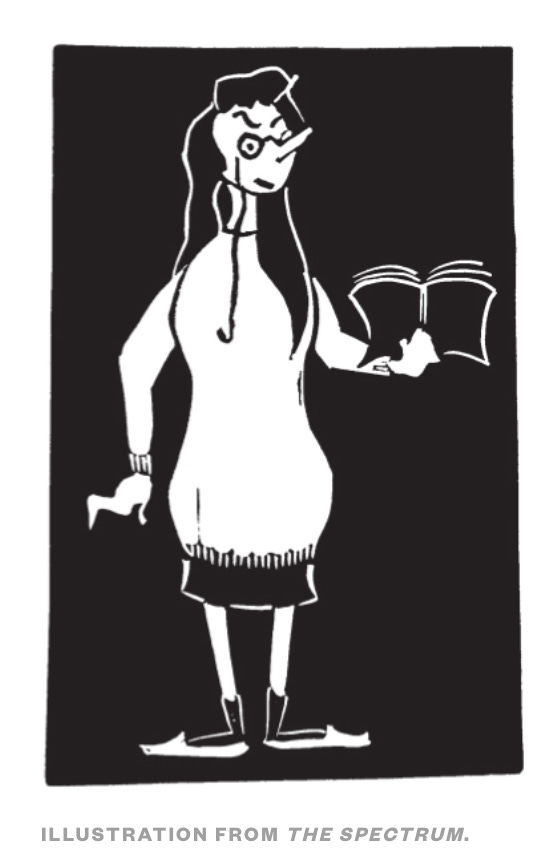
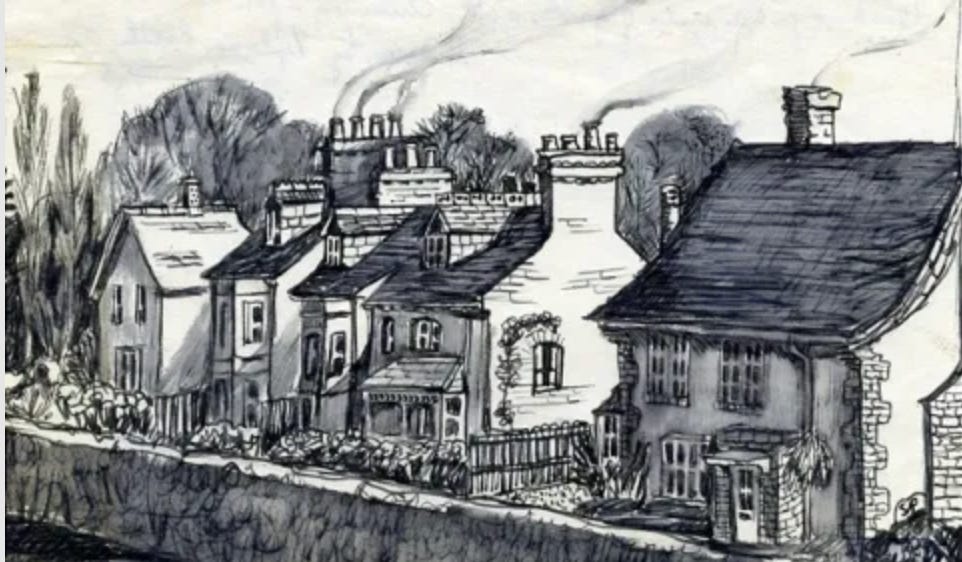
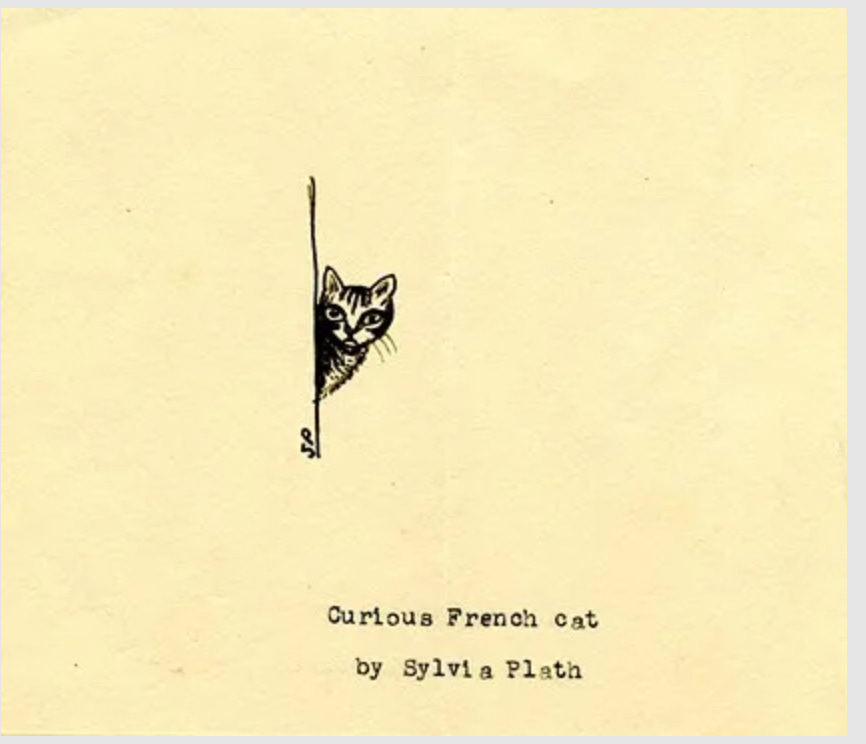
And Sylvia Plath…
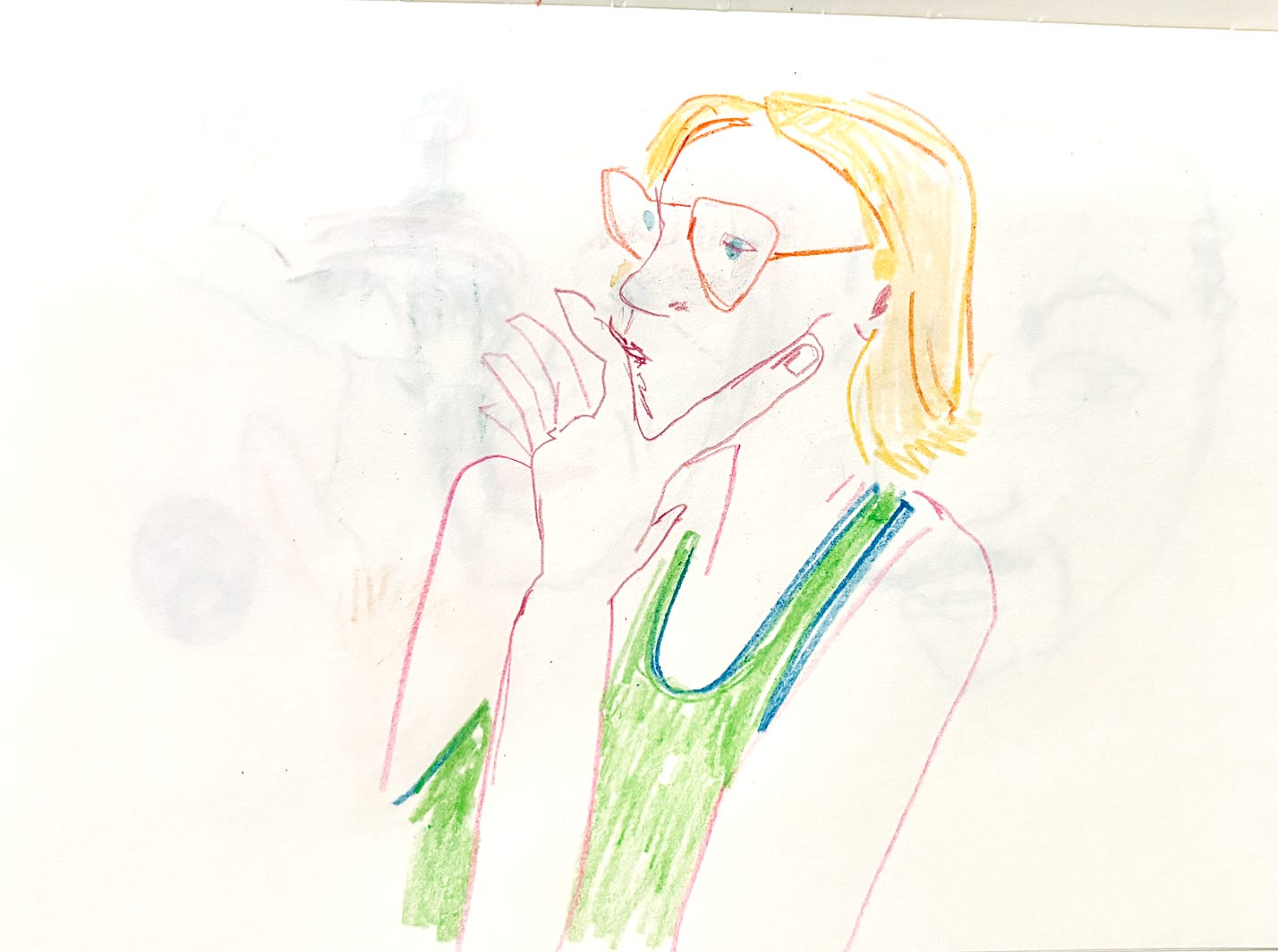
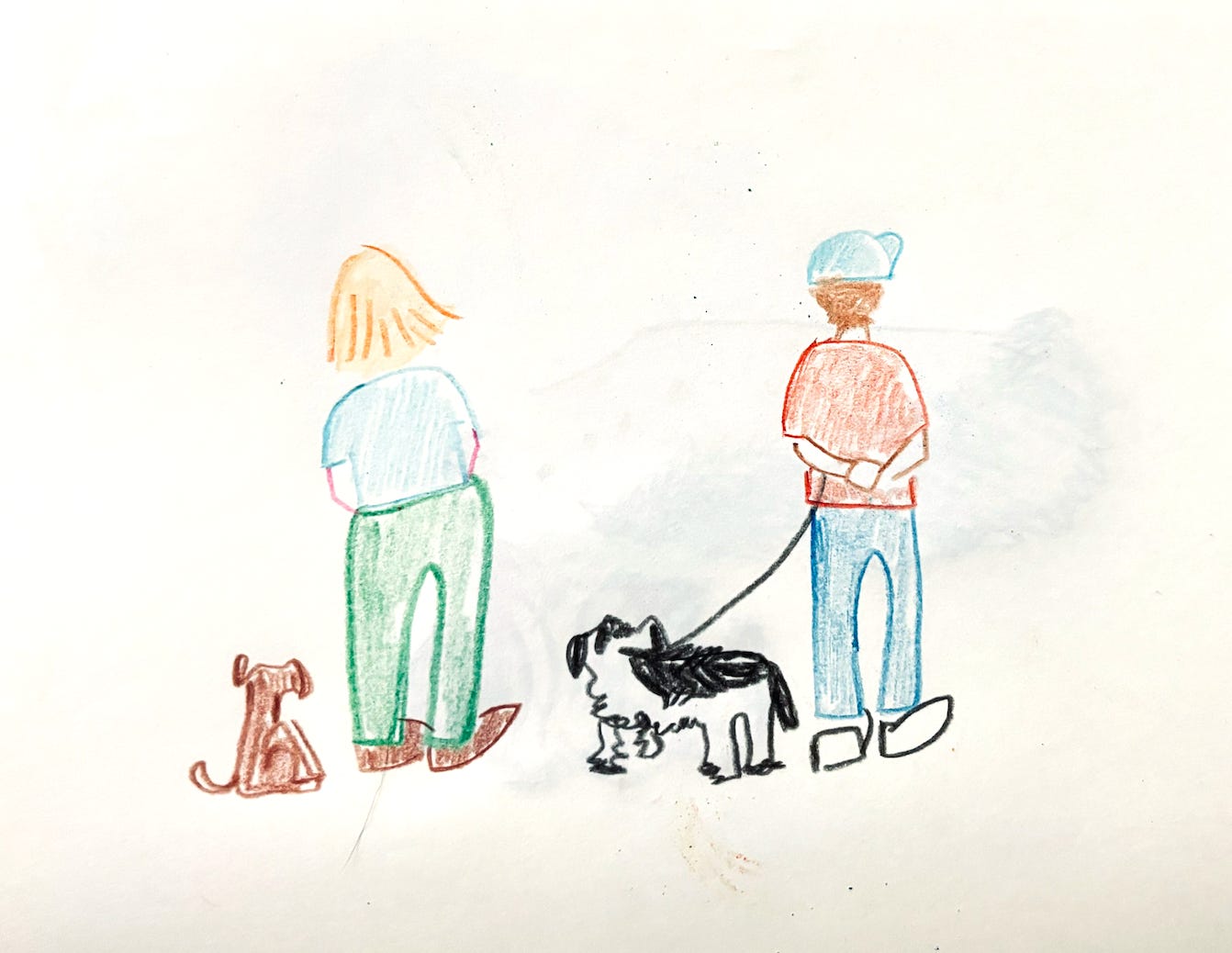
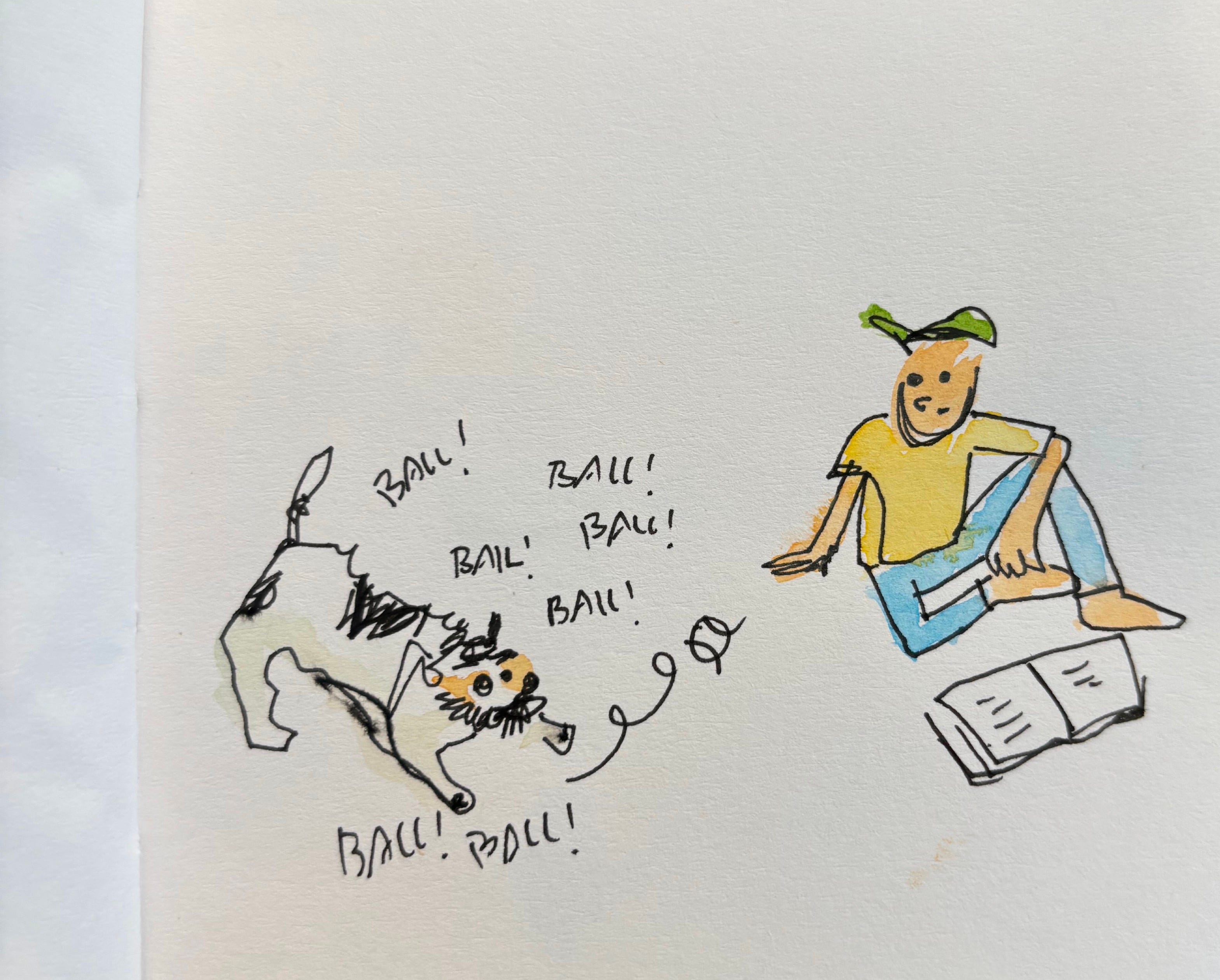
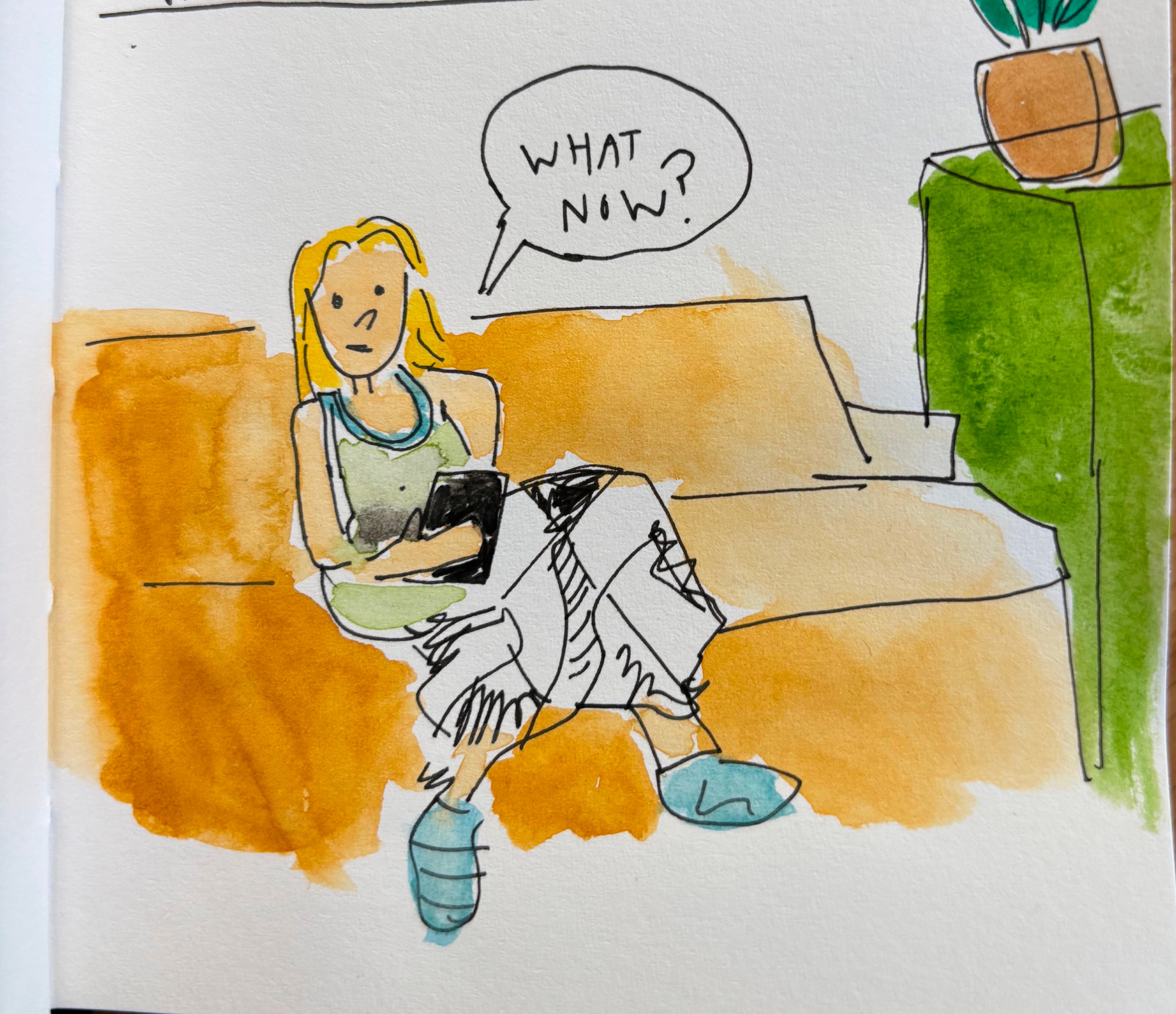
Now onto my own. Here are some domestic scenes from Portland, Oregon with my beloved Megan and our pup Ozzy. I’m using a combination of watercolors, pen, and colored pencil.
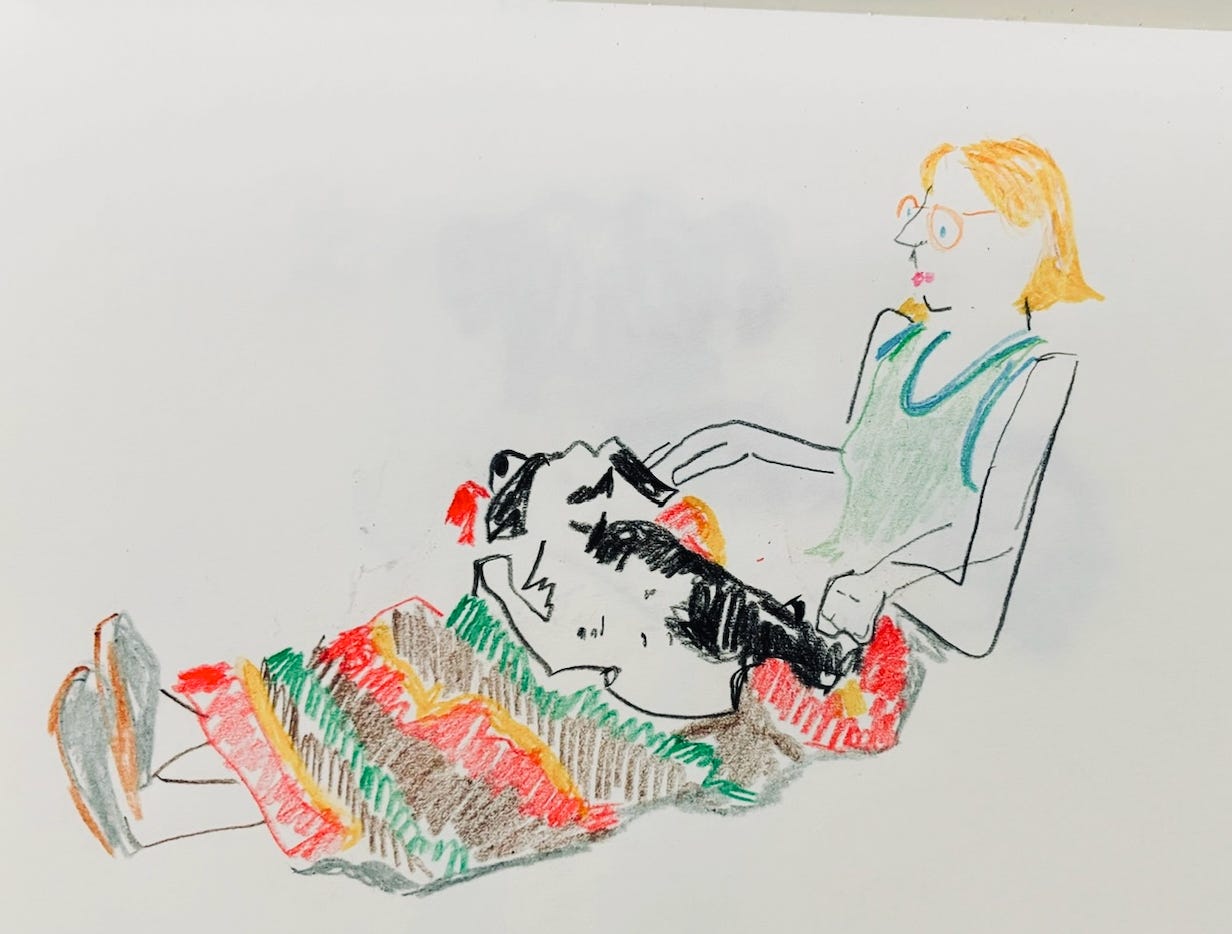
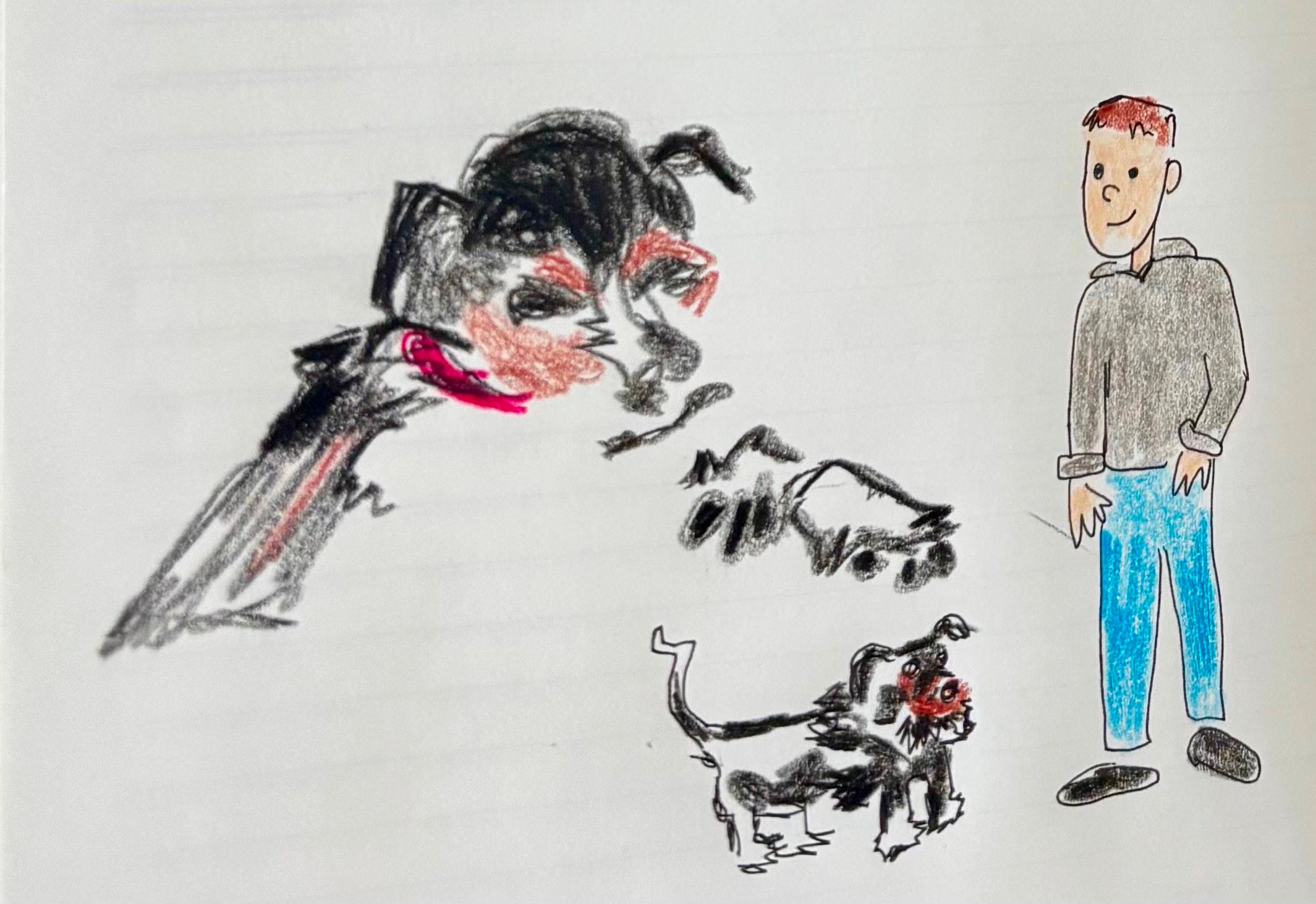
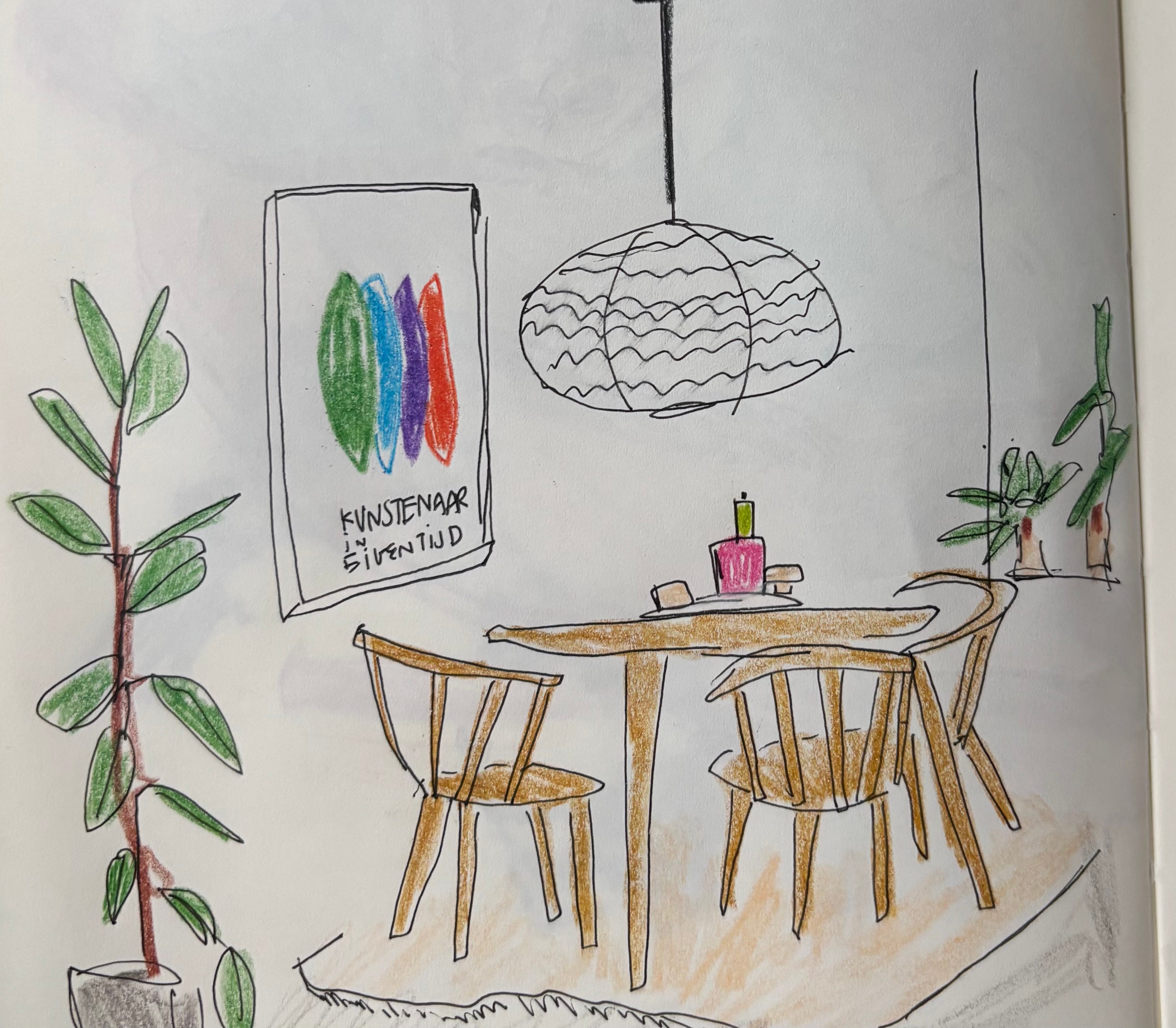
That’s all for now!
✏️ Genevieve
very cool. thanks for sharing. love those highsmith drawings
where is my portrait tho?? I'm waiting so I can frame it